Fences that Last: Products Recommended by Specialist Fence Contractors
Introduction
When it concerns fencing, the alternatives can seem overwhelming. From wood and vinyl to metal and composite products, the choices are vast. Picking the best fence material is vital not just for looks however also for longevity and functionality. That's where expert fence contractors come into play. They bring a wealth of knowledge about which materials stand the test of time and provide important insights local fence installation company tailored to your specific needs.
In this post, we will check out numerous types of fencing materials suggested by specialist fence contractors, their benefits and drawbacks, installation suggestions, maintenance advice, and a lot more. Whether you remain in Melbourne or fence installer any other place, understanding these products will assist you make an informed choice when it concerns your fencing project.
Fences that Last: Materials Advised by Expert Fence Contractors
1. Wood Fencing: The Traditional Choice
Wood has long been a popular option for homeowners seeking a classic look. However what makes it so appealing?
1.1 Advantages of Wood Fencing
- Aesthetic Appeal: Wood provides a natural beauty that's difficult to replicate.
- Versatility: With different styles like picket, personal privacy, or ranch-style fences, wood can fit into nearly any style scheme.
- Eco-Friendliness: When sourced sustainably, wood is among the most eco-friendly options available.
1.2 Disadvantages of Wood Fencing
- Maintenance Requirements: Wood requires routine upkeep such as staining or sealing.
- Vulnerability to Elements: It can warp, rot, or be eaten away by insects if not appropriately maintained.
2. Vinyl Fencing: The Modern Alternative
Vinyl fencing has risen in appeal throughout the years thanks to its durability and low maintenance requirements.
2.1 Benefits of Vinyl Fencing
- Low Maintenance: A simple wash with soap and water is typically all that's needed.
- Durability Against Weather: Unlike wood, vinyl doesn't rot or splinter.
2.2 Downsides of Vinyl Fencing
- Cost: Preliminary expenses can be higher than wood fencing.
- Limited Styles: While there are many styles readily available, they may not provide the exact same standard visual as wood.
3. Chain Link Fencing: The Practical Option
Chain link fences are frequently thought about practical but have their own set of advantages.
3.1 Advantages of Chain Link Fencing
- Affordability: Usually one of the most cost-efficient fencing options available.
- Security: Offers a noteworthy barrier without blocking visibility.
3.2 Downsides of Chain Link Fencing
- Limited Privacy: Not perfect if you're looking to create a secluded space.
- Rusting Issues: Unless treated with a protective covering, chain link can rust over time.
4. Metal Fencing Options
Metal fences can vary from aluminum to wrought iron; each has its unique functions worth considering.
4.1 Advantages of Metal Fencing
- Durability: Metal fences are understood for their long life-span and resistance to the elements.
- Security Features: They supply robust security, making them ideal for business residential or commercial properties or homes in high-crime areas.
4.2 Downsides of Metal Fencing
- Costly Installation: May need professional setup due to weight and complexity.
- Limited Style Flexibility: Depending on product type, customization choices may be limited compared to wood or vinyl.
5. Composite Fencing: The Best of Both Worlds
Composite fencing integrates recycled wood fibers with plastic polymers for an unique mix that's gaining traction amongst homeowners.
5.1 Advantages of Composite Fencing
- Low Upkeep Needs: No painting or staining required; simply occasional cleansing will do.
- Eco-Friendly Option: Made from recycled materials which helps reduce waste.
5.2 Downsides of Composite Fencing
- Higher Preliminary Cost: Relatively more costly than traditional wood.
- Heat Retention Issues: Can become warm under direct sunlight which may not be enjoyable in hot climates.
6. Selecting the Right Fence Contractor in Melbourne
Your option in a fence contractor matters as much as your option in materials! Here's how you can discover an expert that fits your needs:
6.1 Research study Local Experts
Look up "Fence Contractors Melbourne" online to collect reviews and scores from previous customers.
6.2 Inquire about Experience
Experience counts! Guarantee your potential specialist has handled jobs comparable to yours before engaging their services.
FAQs Section
Q1 - What aspects should I think about when picking fence materials?
When picking fence products, consider your budget, preferred level of upkeep, aesthetic appeal, local climate conditions, and whether you require personal privacy or security features.
Q2 - How long does different fencing last?
Generally speaking:
- Wooden fences last around 10-- 15 years with proper maintenance.
- Vinyl fences can last upwards of 30 years.
- Chain link fences usually last around 15-- 20 years depending upon weather and treatment against rusting.
Q3 - Do I truly require a professional fence contractor?
While DIY is an alternative for some types of fencing (like chain link), employing a professional ensures appropriate setup which could conserve you cash on repairs down the line!
Conclusion
Choosing the best fencing product is no small task-- it's a financial investment in both your property's worth and security! By weighing all factors included-- consisting of resilience, upkeep requirements, visual appeal-- you'll find a service that fits simply right!
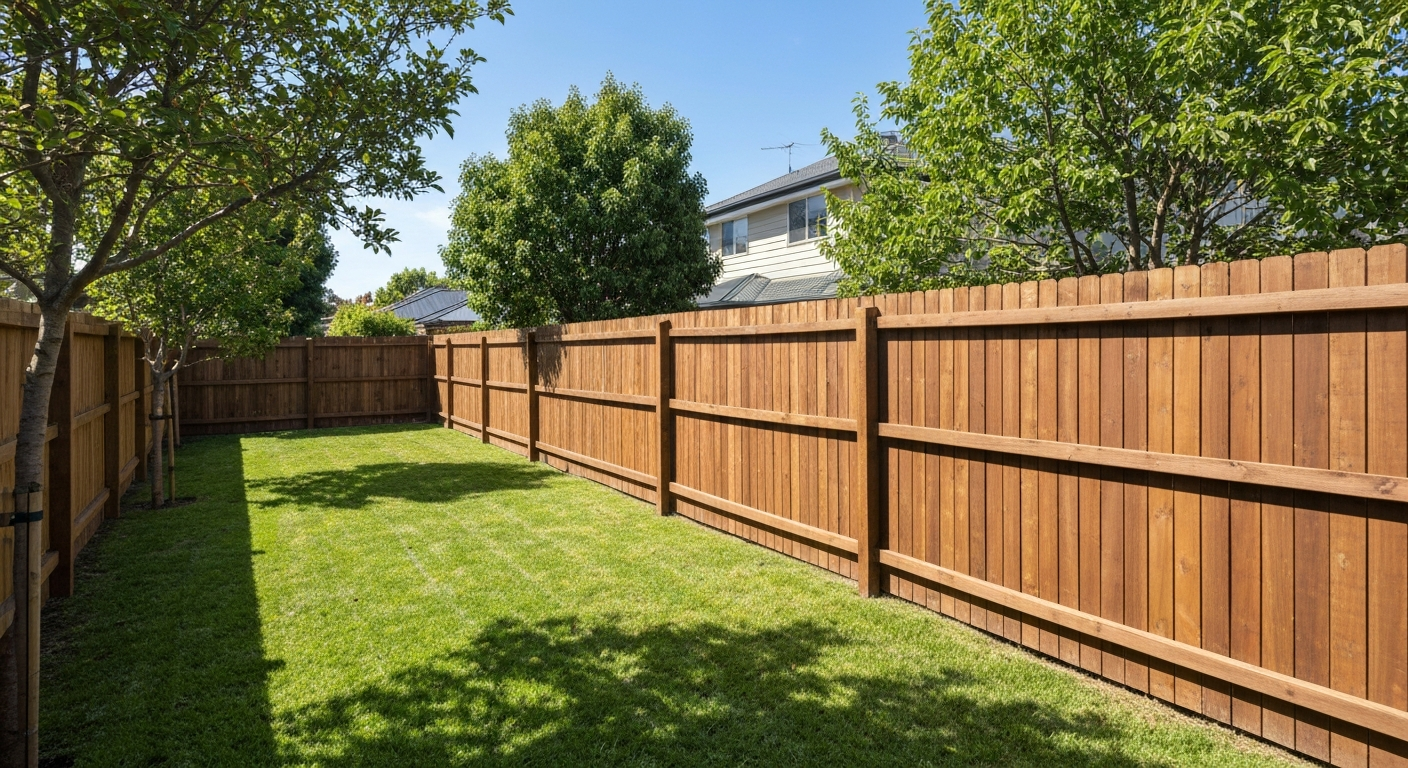
Whether you opt for wood beauty or modern vinyl effectiveness-- and even get relied on professionals like "Fencing Contractors Melbourne"-- you'll be well on your way towards producing an enduring structure that boosts both beauty and security while standing the test of time!
So don't think twice-- embark on this adventure today!